
Postpartum Hemorrhage (PPH) Embolization
- Home
- Postpartum Hemorrhage (PPH) Embolization
Postpartum hemorrhage (PPH) embolization, also known as Pelvic Arterial Embolization (PAE) or Uterine Artery Embolization (UAE), is a minimally invasive, uterus-sparing procedure used to stop severe bleeding after childbirth without major surgery.
It is usually done by an Interventional Radiologist when medicines and other methods are not enough to control the bleeding
This helps:
- To stop the bleeding
- Preserve the uterus
- Preserve future fertility in many women
- Avoid major surgery such as hysterectomy
What is Postpartum Hemorrhage?
–Postpartum Hemorrhage (PPH) is excessive bleeding after the birth of a baby. It is a life-threatening emergency that requires immediate treatment.
PPH is generally defined as:
- Blood loss of more than 500 mL after a vaginal delivery, or
- Blood loss of more than 1,000 mL after a cesarean section,
- Or any amount of bleeding that causes the mother to become haemodynamically unstable.
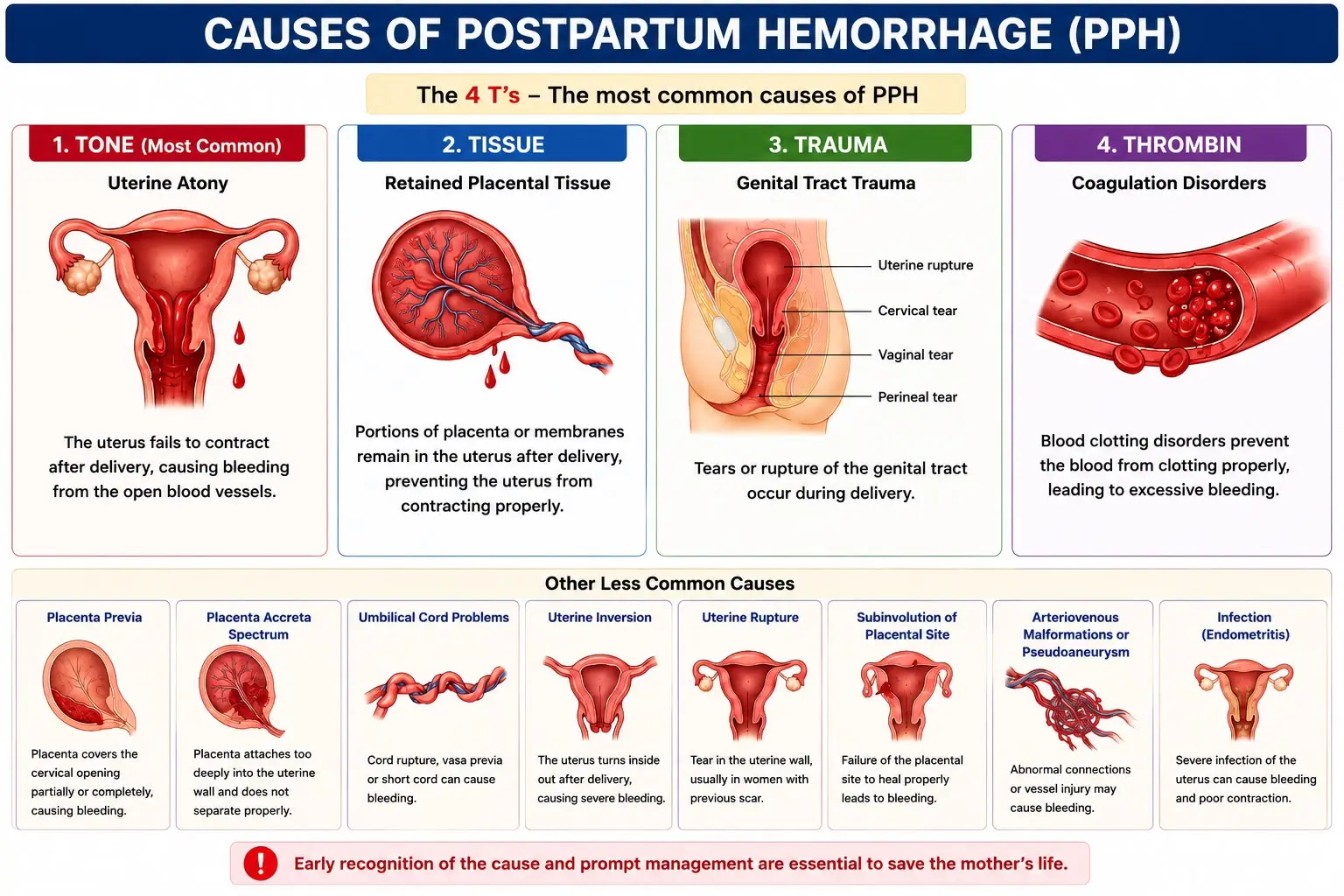
Common Causes of PPH:
-The most common causes are remembered as the 4 Ts:
1. Tone (Most Common)- Poor contraction of the uterus after delivery (uterine atony).
- Placenta previa
- Over distension of the uterus: multiple pregnancy, polyhydramnios, macrosomia
- Uterine relaxant
- Previous PPH
2. Tissue- Placental tissue inside the uterus.
- Retained placenta
- Placenta Accreta
- Retained product of conception (RPOC)
3. Trauma
- Caesarean section
- Tears of the cervix
- Vaginal tears
- Perineal tears- Episiotomy
- Uterine rupture
4. Thrombin- Bleeding due to clotting disorders.
- Pre- eclampsia
- Placenta abruption
- Pyrexia in labour
- Bleeding disorders: haemophilia, anticoagulation, vonWillebrand disease
When is PPH Embolization Needed?
–It may be performed when:
- Medicines fail to stop bleeding
- Uterine massage is ineffective
- Balloon tamponade fails
- Bleeding continues after surgery
- There is bleeding from an injured blood vessel
- Placenta accreta spectrum causes persistent bleeding
- Pseudoaneurysm or arteriovenous malformation develops after delivery
- The patient is stable enough to undergo the procedure
Contraindications:
PPH embolization may not be suitable if:
- The patient is too unstable to be transferred to the angiography suite.
- Immediate life-saving surgery is required.
- There is no available interventional radiology service.
- Severe contrast allergy cannot be managed.
- Arterial access is not possible.
Pre-Procedure Evaluation:
1. Clinical Assessment
- Amount of blood loss: To determine the severity of the hemorrhage and the need for urgent treatment, blood transfusion, or embolization.
- Cause of bleeding: To plan the most appropriate treatment.
- Blood pressure: To identify low blood pressure, which may indicate significant blood loss and shock.
- Heart rate: A rapid pulse is often an early sign that the body is trying to compensate for blood loss.
- Oxygen level: To ensure the body’s organs are receiving enough oxygen.
- Signs of shock: The doctor looks for signs such as pale or cold skin, dizziness, confusion, rapid breathing, low blood pressure, and a fast heart rate to assess whether the patient is in shock.
- Previous pregnancies: multiple previous pregnancies can increase the risk of postpartum hemorrhage.
- Previous cesarean sections: Tt increases the risk of abnormal placental attachment and uterine scarring, which can lead to severe bleeding.
- Medical history: The patient’s medical conditions, previous surgeries, bleeding disorders, and any past episodes of postpartum hemorrhage are reviewed to help assess risks and guide treatment.
- Current medications: All medications, especially blood thinners or medicines that affect blood clotting, as they can increase the risk of bleeding are reviewed
- Allergies: Any allergies to contrast dye, medications, latex, or antiseptic solutions are identified to help prevent allergic reactions during the procedure.
2. Blood Tests/ Routine investigations
- Complete Blood Count (CBC): Hb level, WBCs, and platelet count to assess blood loss, detect infection, and evaluate the blood’s ability to clot.
- Blood group and cross-match: To know patient’s blood type and prepares compatible blood in case a blood transfusion is needed.
- PT/INR: Prothrombin Time (PT) and International Normalized Ratio (INR) assess how well the blood is clotting and help detect clotting abnormalities.
- Fibrinogen level: Itis a clotting protein, and a low level is common in severe postpartum hemorrhage and indicates an increased risk of ongoing bleeding.
- Kidney function tests (KFT): Blood urea, serum creatinine Is assessed before giving contrast dye because poor kidney function increases the risk of contrast-related kidney injury.
- Electrolytes: Electrolytes such as sodium and potassium are checked because severe blood loss and fluid replacement can disturb the body’s electrolyte balance.
3. Imaging Tests
- Pelvic ultrasound: Performed to identify retained placental tissue, blood clots, uterine abnormalities, or other possible causes of postpartum bleeding.
- Color Doppler ultrasound: Evaluates blood flow within the pelvic blood vessels and helps detect active bleeding, pseudoaneurysms, or abnormal blood vessel connections.
- CT angiography (if the patient is stable): Uses contrast dye and CT imaging to locate the source of bleeding and identify injured or abnormal blood vessels before embolization.
- Diagnostic angiography during the procedure: During the embolization procedure, contrast dye is injected through a catheter into the pelvic arteries while X-ray images are taken to accurately locate the bleeding vessel and guide treatment.
Before the Procedure:
- IV line is secured.
- Blood transfusion may be started if needed.
- Fluids are given.
- Consent is obtained.
- Monitoring equipment is attached.
- The groin area is cleaned and shaved if necessary.
- Antibiotics may be given.
- A urinary catheter may be inserted.
Procedure
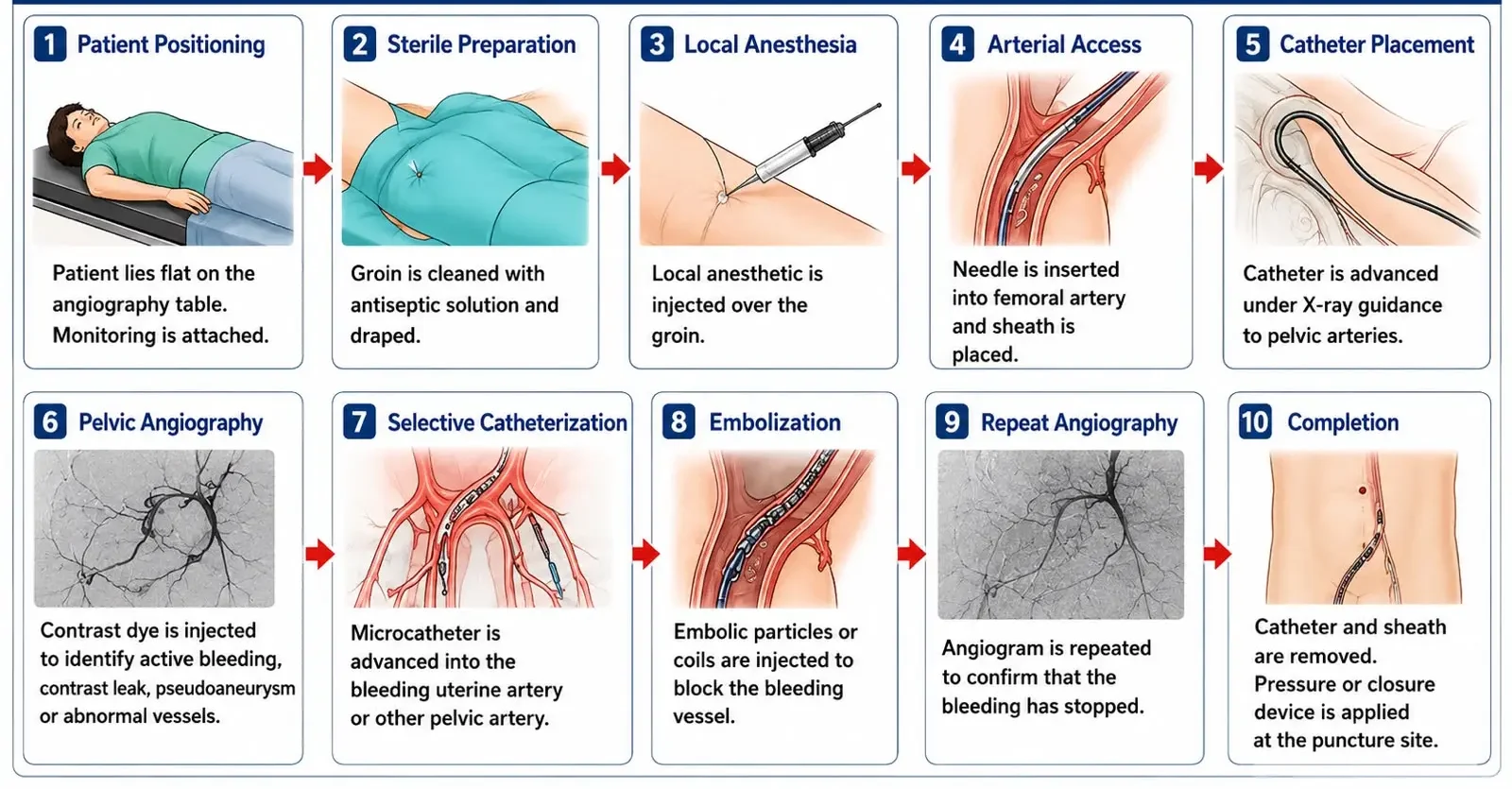
-The patient lies supine (flat) on the angiography table. Heart rate, blood pressure, oxygen level, and ECG are continuously monitored.
-The groin is cleaned with antiseptic solution and covered with sterile drapes.
-Local anesthetic is injected into the skin over the groin to numb the area.
-A small needle is inserted into the femoral artery, and a vascular sheath is placed.
-Using X-ray guidance (fluoroscopy), a thin catheter is advanced through the arteries to the pelvic arteries.
-Contrast dye is injected to identify:
- Active bleeding
- Contrast leak
- Pseudoaneurysm
- Abnormal blood vessels
- Uterine artery anatomy
-A microcatheter is advanced into the bleeding uterine artery or another bleeding pelvic artery.
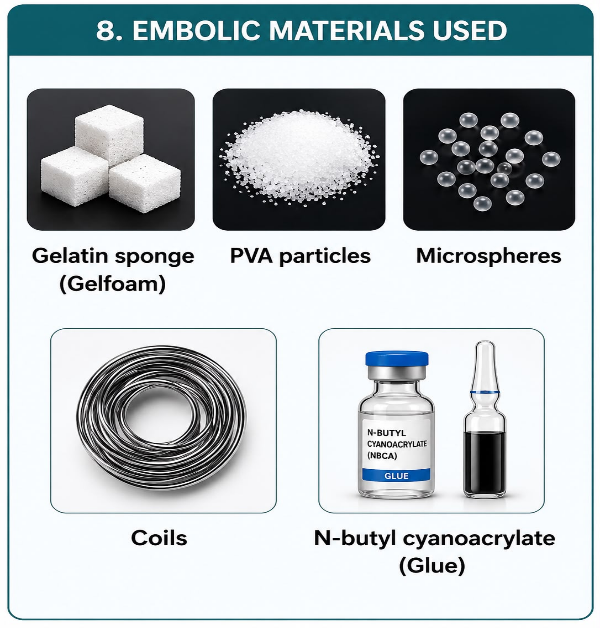
-The doctor injects embolic materials to block the bleeding vessel.
Common embolic agents include:
- Gelatin sponge (Gelfoam)
- Polyvinyl alcohol (PVA) particles
- Microspheres
- Coils
- N-butyl cyanoacrylate (glue) in selected cases
-Another angiogram is performed to confirm that the bleeding has stopped.
-The catheter and sheath are removed, and pressure or a vascular closure device is used to seal the puncture site. Tight dressing is given.
Duration:
-The procedure usually takes 30–90 minutes, depending on the source and severity of bleeding.
After the Procedure
- Bed rest for several hours
- Gradual return to eating and walking
- Most women recover within a few days, depending on the severity of the hemorrhage and overall condition.
Possible Risks and Complications:
-Although generally safe, complications may include:
- Pain or cramping
- Bruising or bleeding at the groin puncture site
- Infection
- Allergy to contrast dye
- Contrast-related kidney injury
- Temporary fever
- Non-target embolization (blocking a nearby vessel unintentionally)
- Uterine infection (rare)
- Uterine tissue damage (very rare)
- Need for repeat embolization
- Failure to stop bleeding, requiring surgery or hysterectomy
Would you like to request an appointment?
You can call on +91-98200 86520 for Appointments or fill the form below