
Permanent Tunneled Dialysis Catheter
- Home
- Permanent Tunneled Dialysis Catheter
A permanent dialysis catheter, also called a tunneled dialysis catheter (TDC) or Permcath, is a special double-lumen catheter inserted into a large central vein to provide long-term vascular access for hemodialysis in patients with advanced kidney failure.
What is a Dialysis Catheter?
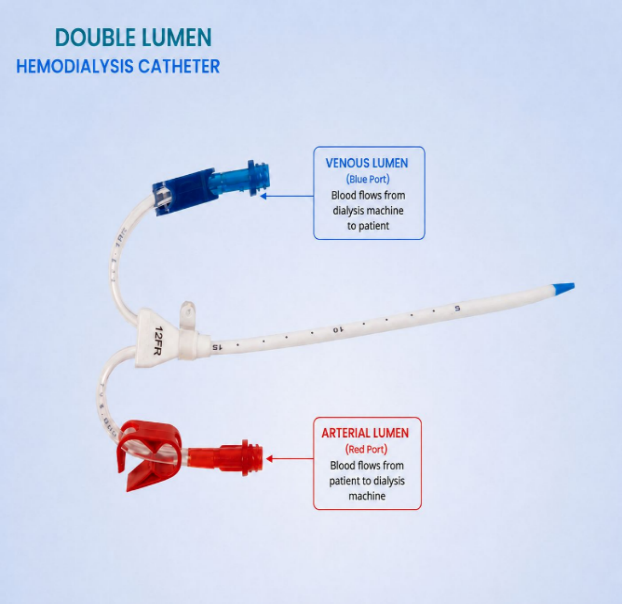
A dialysis catheter is a flexible tube with two channels (lumens):
- Arterial lumen (red port): removes blood from the patient to the dialysis machine.
- Venous lumen (blue port): returns purified blood back to the patient.
-The catheter tip lies in a large central vein near the heart, allowing high blood flow rates required for effective dialysis.
Where is it inserted?
-Most commonly through:
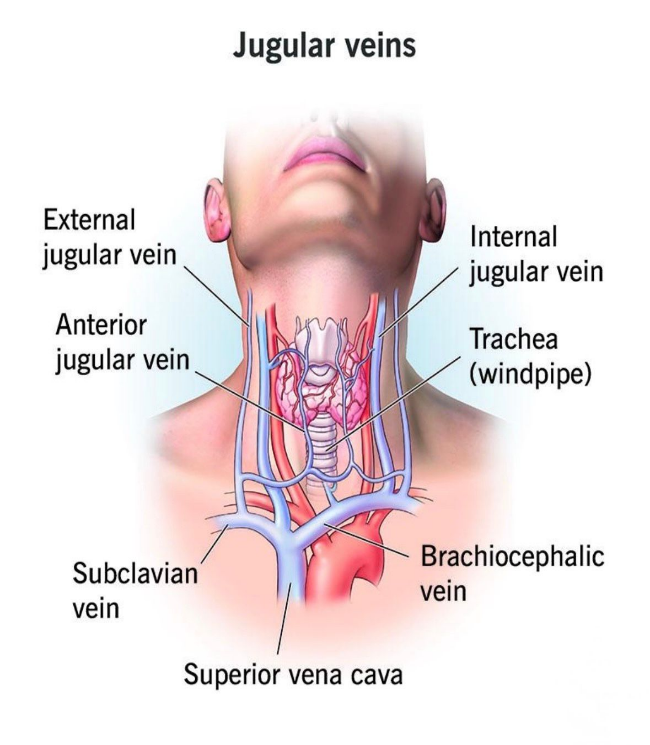
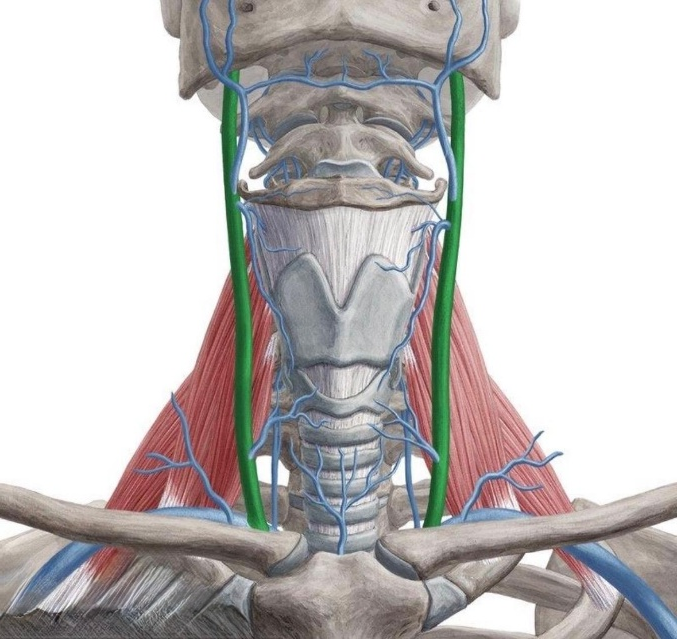
- Right Internal Jugular Vein (preferred) : As it has straight path to Superior Vena Cava and best blood flow with lowest complications.
- Left Internal Jugular Vein : Used when right is unavailable.
- Femoral Vein (less commonly) : Due to its highest infection risk
What are the Indications?
- Urgent initiation of hemodialysis and when long term hemodialysis is needed
- Failed AV fistula
- Failed AV graft
- Patients awaiting fistula maturation
- Patients unsuitable for surgical access creation
- Bridge access before kidney transplantation
Where is the Procedure Performed?
-Interventional Radiology Suite- Cath Lab
Pre- Procedure Evaluation
1. Detailed medical history:
- CKD stage
- Previous dialysis access
- Bleeding disorders
- Anticoagulant use
- Allergies/ current medications
- Prior central venous catheters used
2. Laboratory investigations:
- Complete blood count (CBC)
- Coagulation profile- PT/INR
- Renal function tests- Creatinine, urea
- Serum electrolytes
3. Informed Consent: The patient is informed about the procedure, possible risks, benefits and complications to the patient and relatives by the Interventional Radiologist. Written content is also taken.
4. Pre-procedure guidelines:
Blood thinners may need to be stopped
Fasting- Patients are usually advised 2-4 hours of fasting before the procedure
Procedure of Permanent Dialysis Catheter Insertion:
The procedure is usually performed under ultrasound and fluoroscopic guidance.
Steps
- Under aseptic precautions the neck and chest are cleaned. Sterile drapes are applied.
- Local anesthesia is given.
- Ultrasound-guided venous puncture of the internal jugular vein (preferably right side).
- Guidewire placement.
- Creation of a subcutaneous tunnel, by making a small incision on the upper chest.
- Advancement of the catheter through the tunnel.
- Positioning of the catheter tip at the cavo-atrial junction under fluoroscopy.
- Confirmation of catheter function and placement.
Post-Procedure Care:
1. Immediate Monitoring
Observe:
- Vital signs
- Bleeding
- Respiratory distress
2. Catheter Function Testing
-Both lumens tested for:
- Blood aspiration
- Saline flushing
3. Dialysis Initiation
- Permanent tunneled catheters can usually be used immediately after insertion.
Durability and Lifespan:
Expected Longevity
-A well-maintained tunneled dialysis catheter can remain functional for:
- Several months
- Often 1–3 years
- Occasionally longer
Advantages:
- Immediate usability for dialysis
- Minimally invasive
- Performed under local anesthesia
- Outpatient procedure in many centers
Complications:
Immediate complications
- Bleeding
- Hematoma- Blood collection around insertion site
- Pneumothrorax- Air enters pleural space
- Hemothorax- Blood accumulates in chest cavity
- Air embolism- Rare, air enters blood stream
Early Complications
- Catheter Malposition- In correct catheter tip location
- Catheter dysfunction- Poor blood flow
- Infections- May involve exit site, tunnel tract, blood stream
Late Complications
- Catheter thrombosis- Formation of blood clot
- Central venous stenosis- Narrowing of central vein
- Catheter displacement- Movement from original position
- Cathter occlusion- Due to thrombus
Would you like to request an appointment?
You can call on +91-98200 86520 for Appointments or fill the form below